Why Home Inspections Are Essential

Why Home Inspections Are Essential

Home inspections play a vital role in the real estate process, offering protection for both buyers and sellers. For buyers, a home inspection ensures that they are aware of any potential issues before purchasing, helping them make an informed decision. For sellers, an inspection can uncover problems they may not have been aware of, giving them an opportunity to fix them or disclose them before listing the home. Without a proper home inspection, major issues like structural damage, faulty wiring, or plumbing leaks could go unnoticed, leading to costly repairs later on.

Uncovering Hidden Problems

One of the most valuable aspects of a home inspection is its ability to uncover hidden problems. While a house may look perfect on the surface, underlying issues such as mold, foundation cracks, or outdated electrical systems can pose serious risks. A professional inspector thoroughly examines these areas, providing a detailed report on any defects. By identifying problems early, buyers can avoid expensive surprises after closing, while sellers have the opportunity to address issues before they affect the sale. In this way, inspections protect both parties from unexpected costs.

Safety Assurance

Home inspections provide an essential safety check for potential buyers. Inspectors assess the property for hazards such as electrical issues, gas leaks, radon, asbestos, and lead-based paint. They also check fire safety features, like smoke detectors, carbon monoxide alarms, and egress windows. Ensuring that a home is up to safety standards is crucial for the well-being of the new occupants. Buyers gain peace of mind knowing that they are moving into a safe living environment, while sellers demonstrate that their property meets all relevant safety regulations.

Negotiation Power

A comprehensive inspection report is a powerful tool in real estate negotiations. If significant issues are uncovered, buyers can use this information to negotiate a lower purchase price or request that repairs be made before closing. Alternatively, sellers who have already addressed key issues may be in a stronger position to defend their asking price. The ability to negotiate based on solid information levels the playing field for both buyers and sellers, ensuring a fair and transparent transaction.

Long-Term Financial Benefits

For buyers, a home inspection can result in long-term financial savings. Identifying and addressing issues before purchasing a home can prevent costly repairs down the road. For example, an inspection might reveal a failing roof, allowing buyers to negotiate a replacement before moving in. Additionally, catching small problems early, like minor leaks or insulation deficiencies, can prevent them from escalating into larger, more expensive repairs. For sellers, addressing issues upfront can add value to the home, helping it sell more quickly and at a higher price.

Peace of Mind for Buyers and Sellers

Ultimately, home inspections provide peace of mind for both parties in a real estate transaction. Buyers know exactly what they are getting, with a clear understanding of the property’s condition, while sellers can feel confident that they have addressed any issues and are offering a well-maintained home. The transparency provided by a home inspection reduces the risk of disputes, making the entire buying or selling process smoother and less stressful. In essence, a home inspection is an investment in trust, safety, and financial security.
The Importance of Plumbing in a Home Inspection

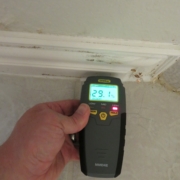
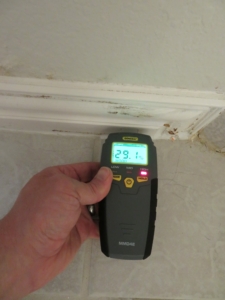
Moisture Intrusion

Moisture Intrusion

During a home inspection, plumbing is one of the most critical systems examined. The condition of a home’s plumbing affects not only its functionality but also the safety and comfort of its occupants. Inspectors assess various components, including pipes, drains, water heaters, and fixtures, to ensure everything is functioning correctly and efficiently. Plumbing issues such as leaks, clogs, or outdated materials can lead to costly repairs, water damage, or even health risks from contaminated water. A thorough inspection helps identify these problems before they become significant concerns for homeowners or buyers.

Key Plumbing Areas Inspected

A home inspector typically checks the water supply lines, drainage systems, and water pressure throughout the house. They look for signs of leaks, corrosion, and blockages in pipes, which can indicate larger underlying problems. The inspector also checks faucets, toilets, and showers for proper operation, noting any slow drains or low water pressure. Water heaters are another key focus, as inspectors assess the condition, age, and efficiency of the unit to determine whether it’s operating safely and effectively. If the home has older pipes, such as lead or galvanized steel, the inspector may recommend updating them to meet modern safety standards.

How Plumbing Issues Affect a Home’s Value

The findings from the plumbing inspection can significantly impact the sale or purchase of a home. If major issues like hidden leaks, broken water lines, or outdated plumbing systems are discovered, the cost of repairs can affect the negotiating process. Buyers may request that the seller address plumbing problems before closing the deal, or they may seek a reduction in the asking price to cover the cost of repairs. For sellers, addressing plumbing issues beforehand can help avoid delays or complications in the sale, ensuring a smoother transaction. Ultimately, a comprehensive plumbing inspection provides valuable insights that protect both the buyer’s investment and the home’s long-term value.

What Does a Home Inspector Do?

What Does a Home Inspector Do?

A home inspector is a professional who assesses the condition of a residential property, typically as part of the real estate transaction process. Their primary role is to evaluate a home’s structural integrity, systems, and overall safety to provide potential buyers or sellers with a detailed report. The inspection covers various areas of the home, including the foundation, roofing, electrical systems, plumbing, and HVAC (heating, ventilation, and air conditioning). By conducting a thorough examination, a home inspector helps both parties in a real estate deal make informed decisions about the property.

Structural and Exterior Evaluation

One of the primary tasks of a home inspector is to assess the structure of the house, which includes the foundation, framing, and overall stability of the building. They look for signs of foundational damage, such as cracks or shifts, that could indicate serious issues. On the exterior, the inspector checks the condition of the roof, gutters, and siding. This part of the inspection helps determine whether the home is at risk of water damage, poor insulation, or other external threats. By identifying structural issues early, buyers can avoid expensive repairs down the road.

Interior Systems Inspection

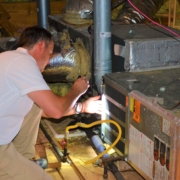
Inside the home, inspectors focus on key systems like plumbing, electrical, and HVAC. For plumbing, they check for leaks, the condition of pipes, and water pressure. In terms of electrical systems, they ensure the wiring is up to code and safe for everyday use, checking outlets, light fixtures, and circuit breakers. When it comes to HVAC systems, inspectors evaluate the furnace, air conditioning unit, and ventilation to confirm that they are functioning correctly and efficiently. These systems are critical for the comfort and safety of the home’s occupants, so any deficiencies must be addressed promptly.

Safety Concerns

A home inspector also focuses on safety aspects of the home. This involves checking for potential hazards such as faulty smoke detectors, carbon monoxide alarms, and unsafe stairways or handrails. If a home is older, inspectors may look for issues related to lead-based paint, asbestos, or mold. Additionally, they evaluate the condition of doors, windows, and fire escapes to ensure they comply with local safety regulations. Any concerns about radon or pest infestations, such as termites, are also noted and may require specialized follow-up inspections.

Reporting and Recommendations

After completing the inspection, the home inspector provides a comprehensive report detailing the findings. This report includes descriptions of any issues, photographs for clarity, and recommendations for repairs or further assessments. It serves as a crucial tool in the home-buying process, enabling buyers to negotiate repairs or price adjustments before finalizing the purchase. While the inspector provides a thorough overview of the property’s condition, they do not offer repair services, to maintain objectivity.

Importance in the Real Estate Process

Overall, the home inspector plays a key role in protecting the interests of both buyers and sellers. For buyers, the inspection ensures that they are making a well-informed investment and are aware of any potential problems with the property. For sellers, an inspection can highlight areas that may need attention before listing the home, potentially preventing surprises during negotiations. By providing transparency and reducing the risk of unforeseen repairs, home inspectors help create smoother, more transparent real estate transactions.

The Importance of GFCI Outlets: Insights from a Home Inspector

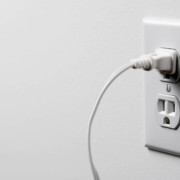
Ground Fault Circuit Interrupter (GFCI) outlets are vital for electrical safety in any home, and home inspectors emphasize their importance during property evaluations. GFCIs are designed to protect against electrical shocks by detecting imbalances in the electrical current and quickly cutting off power when a fault is detected. This is particularly crucial in areas where water and electricity are in close proximity, such as kitchens, bathrooms, and outdoor spaces. By installing GFCIs in these high-risk areas, homeowners can significantly reduce the risk of electrical accidents and enhance overall safety.

During home inspections, one common issue is the absence or malfunction of GFCI outlets where they are required by current building codes. Older homes, in particular, may lack GFCIs or have outdated versions that no longer meet modern safety standards. Home inspectors perform thorough checks to ensure that GFCIs are installed in appropriate locations and that they are functioning correctly. They also test these outlets to confirm that they respond properly to electrical faults, providing homeowners with peace of mind that their electrical systems are safe.

For homeowners, addressing GFCI issues is crucial for maintaining electrical safety. Home inspectors recommend installing GFCI outlets in all necessary areas and replacing any that are faulty or outdated. Regular testing and maintenance of these outlets can prevent potential hazards and ensure compliance with safety codes. By following these recommendations, homeowners can protect their properties from electrical risks and ensure a safer living environment for their families.

Roof Granule Loss: Insights from a Home Inspector

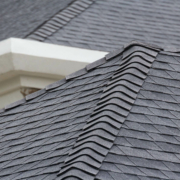
Roof granule loss is a critical issue that home inspectors frequently encounter during roof assessments. Granules are integral components of asphalt shingles, providing essential protection against UV rays, physical damage, and weathering. Over time, these granules can erode due to exposure to the elements, age, and physical wear. When significant granule loss occurs, the shingles lose their protective layer, leading to potential vulnerabilities such as leaks and decreased roof lifespan. Understanding the causes and implications of granule loss is essential for maintaining the integrity of your roof.

Several factors contribute to roof granule loss. Natural weathering is a primary cause, where exposure to sunlight, rain, and wind gradually wears down the granules. Severe weather events, like hailstorms, can also accelerate granule loss by causing direct damage to the roof surface. Additionally, poor installation practices and lack of regular maintenance can exacerbate the problem, leading to premature deterioration. As a home inspector, evaluating the extent of granule loss and identifying contributing factors is crucial for recommending appropriate repairs and maintenance.

To address roof granule loss, homeowners should consider both immediate repairs and long-term preventive measures. Inspectors often advise replacing damaged shingles and performing routine maintenance to address minor issues before they escalate. Improving attic ventilation and ensuring proper roof installation can also help mitigate granule loss and extend the roof’s lifespan. By proactively managing roof health and addressing granule loss, homeowners can prevent further damage and ensure the durability and safety of their roofing system.

Foundation Deflection Cracks: Insights from a Home Inspector

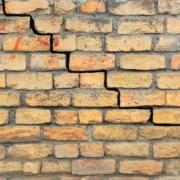
As a home inspector, encountering foundation deflection cracks is a routine part of evaluating a property’s structural health. These cracks, which can manifest as horizontal, vertical, or diagonal lines in the foundation, often indicate underlying issues with the building’s support system. Deflection cracks are typically a result of the foundation shifting due to changes in soil conditions, moisture levels, or load imbalances. Identifying these cracks early can prevent more significant structural problems and ensure the safety and longevity of the home.

Several factors contribute to the development of foundation deflection cracks. Soil settlement, often caused by inadequate drainage or expansive clay, can exert uneven pressure on the foundation, leading to noticeable cracks. Additionally, seasonal changes in moisture can cause the soil to expand or contract, further stressing the foundation. As a home inspector, it is crucial to assess not just the cracks themselves but also the surrounding environment and construction practices to determine the root cause and recommend appropriate remedies.

Addressing foundation deflection cracks involves a thorough inspection and a tailored approach to repair. Home inspectors often recommend consulting with structural engineers or foundation specialists to evaluate the severity of the damage and devise a suitable repair plan. Solutions may include reinforcing the foundation with piers, improving drainage systems, or applying specialized crack repair techniques. Regular monitoring and maintenance are also advised to prevent future issues. By taking these proactive steps, homeowners can address foundation deflection cracks effectively and ensure the structural stability of their property.